
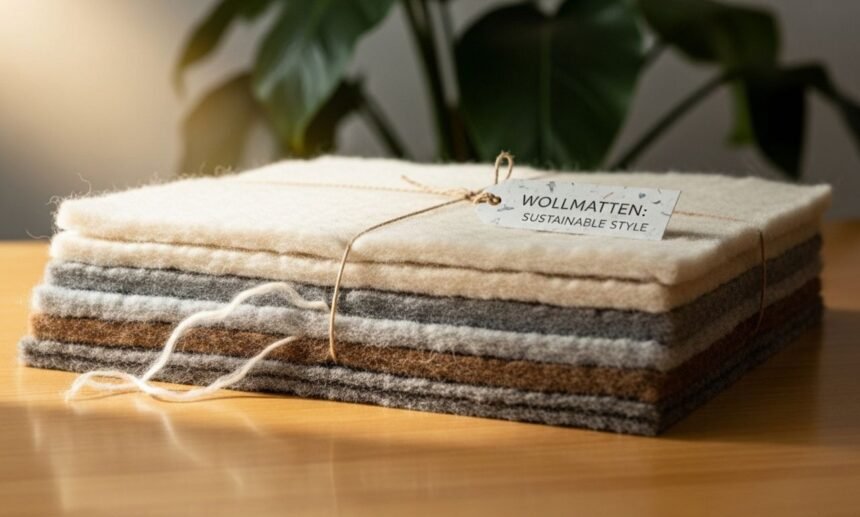
In the global shift toward a circular economy, few materials offer as much promise as Wollmatten. Often overlooked in favor of high-tech synthetics, these mats made from natural sheep wool are rediscovering their place in the modern world. From the rugged landscapes of agricultural hillsides to the quiet interiors of eco-conscious homes, Wollmatten provide a biological solution to mechanical problems.
- The Biological Power of Wollmatten
- Innovative Uses of Wollmatten in Modern Gardening
- Protecting the Earth: Wollmatten for Erosion Control
- The Superiority of Wollmatten in Home Insulation
- Technical Comparison: Wollmatten vs. Synthetics
- Why Wollmatten are Essential for Urban Greenery
- Woolmatten and the Fight Against Slugs
- The Industrial Cleanup Power of Wollmatten
- Sourcing and Quality: What to Look for in Wollmatten
- DIY Projects: Getting Creative with Wollmatten
- Conclusion: The Sustainable Legacy of Wollmatten
- Frequently Asked Questions (FAQs)
The term Wollmatten refers to a variety of non-woven fabrics produced by interlocking sheep wool fibers through needle-punching or felting processes. Unlike plastic-based geotextiles, these mats are part of a natural cycle. They come from the earth, serve a vital purpose, and eventually return to the earth as nutrients. This article explores why Wollmatten are the superior choice for anyone looking to combine efficiency with environmental stewardship.
The Biological Power of Wollmatten
To understand why Wollmatten are so effective, one must look at the fiber itself. Sheep wool is a marvel of evolutionary engineering. It is designed to protect an animal against extreme cold, blistering heat, and moisture, all while remaining breathable.
High Protein Content
Wollmatten are primarily composed of keratin. As these proteins break down, they release nitrogen—a critical component for plant life. This makes the mats a “living” material that interacts with its environment rather than just sitting on top of it.
Thermodynamic Properties
The natural crimp of the wool used in Wollmatten creates microscopic air pockets. These pockets act as a buffer against temperature fluctuations. In construction, this means superior R-value insulation; in gardening, it means protecting roots from the “shock” of a sudden frost or a heatwave.
Innovative Uses of Wollmatten in Modern Gardening
The horticultural industry has been transformed by the introduction of Wollmatten. Gardeners are increasingly moving away from “landscape fabric” (which is often just woven plastic) and embracing wool-based alternatives.
Natural Weed Control with Wollmatten
Weeds compete with crops for light, water, and nutrients. By laying down Wollmatten, gardeners create a physical barrier that prevents weed growth. However, unlike plastic liners that suffocate the soil, wool allows for the exchange of oxygen and water. The soil remains “alive,” supporting beneficial earthworms and fungi while the weeds underneath simply perish from lack of light.
The Water-Saving Miracle
Water scarcity is a growing concern for gardeners worldwide. Wollmatten can absorb up to a third of their weight in water. During a rainstorm or irrigation, the mat soaks up the moisture and holds it. As the sun comes out, the mat prevents that water from evaporating immediately. This slow-release mechanism ensures that the soil stays hydrated for much longer, reducing the total water consumption of a garden by up to 50%.
Protecting the Earth: Wollmatten for Erosion Control
One of the most critical applications for Wollmatten is in the field of civil engineering and land restoration. When land is cleared for construction or damaged by wildfires, the topsoil is vulnerable to being washed away by rain.
Slope Stabilization
On steep inclines, Wollmatten act as a temporary “skin” for the earth. They are pinned into the soil, providing immediate structural integrity. This prevents the formation of rills and gullies. Because the mats are heavy when wet, they conform to the contours of the land, leaving no gaps for water to run underneath.
Facilitating Re-vegetation
The ultimate goal of erosion control is to get plants to grow back. Wollmatten provide the perfect nursery. They protect seeds from being eaten by birds or washed away by rain. Furthermore, as the Wollmatten decay, they provide the very nutrients the new plants need to establish a deep, permanent root system.
The Superiority of Wollmatten in Home Insulation
The building industry is one of the largest contributors to global carbon emissions. Switching to Wollmatten for insulation is a significant step toward carbon-neutral housing.
Health and Safety Advantages
Many people are familiar with the “itch” associated with fiberglass insulation. Fiberglass and rockwool can release tiny shards that irritate the skin, eyes, and lungs. Wollmatten, being a natural animal fiber, are completely safe to handle without protective gear. They do not off-gas toxic chemicals or formaldehydes, ensuring that the indoor air quality remains pure.
Moisture Regulation within Walls
Condensation is the enemy of any building structure, leading to mold and rot. Wollmatten are unique because they are “breathable.” They can absorb moisture from the air when humidity is high and release it when the air dries out, all without losing their insulating properties. This “buffering” effect helps protect the wooden frames of houses from moisture damage.
Technical Comparison: Wollmatten vs. Synthetics
| Feature | Wollmatten | Synthetic Geotextiles |
| Material | 100% Sheep Wool | Polypropylene/Polyester |
| Biodegradability | 100% (Compostable) | Non-biodegradable |
| Nutrient Contribution | High Nitrogen/Potassium | Zero |
| Moisture Absorption | Excellent | Poor |
| Environmental Impact | Positive (Carbon Sink) | Negative (Microplastics) |
Why Wollmatten are Essential for Urban Greenery
As cities become “heat islands,” the use of Wollmatten in urban planning is becoming vital. Green roofs and vertical gardens often struggle with water retention due to their exposed positions.
By integrating Wollmatten into the substrate of a green roof, planners can ensure that the vegetation survives even during hot summer months. The mats also provide a lightweight alternative to heavy soil layers, reducing the structural load on the building. Additionally, the sound-absorbing qualities of Wollmatten help dampen the noise of city traffic, creating quieter, more peaceful urban living spaces.
Woolmatten and the Fight Against Slugs
For many vegetable growers, slugs are the ultimate enemy. Traditional slug pellets contain metaldehyde, which can be harmful to birds, hedgehogs, and pets. Wollmatten offer a mechanical deterrent. The tiny, microscopic barbs on wool fibers are highly unpleasant for slugs to crawl over. By placing a ring of wool matting around sensitive plants like lettuce or hostas, gardeners can create a “no-go zone” for pests without using a single drop of poison.
The Industrial Cleanup Power of Wollmatten
In industrial settings, spills are an inevitable hazard. Traditionally, clay-based “kitty litter” or plastic pads have been used to soak up oil. However, Wollmatten are significantly more efficient.
Selective Absorption
Wool is naturally oleophilic (it loves oil) but hydrophobic (it repels water). This makes Wollmatten the perfect tool for cleaning up oil spills on water surfaces. The mat will float on the water and selectively suck up the oil. Once the mat is saturated, it can be removed, and in some industrial processes, the oil can even be squeezed out and recovered, allowing the mat to be reused.
Sourcing and Quality: What to Look for in Wollmatten
When shopping for Wollmatten, quality matters. Not all wool is treated the same way during the manufacturing process.
-
Chemical-Free Processing: Ensure the Wollmatten have not been treated with harsh pesticides or moth-proofing chemicals, especially if you plan to use them in an organic vegetable garden.
-
Density and Weight: For weed suppression, a heavier mat (600g/m² or higher) is better. For delicate frost protection, a lighter, loftier mat is more appropriate.
-
Local Sourcing: To truly maximize the sustainability of your purchase, look for Wollmatten made from local wool. This reduces the carbon footprint associated with transportation and supports local shepherds.
DIY Projects: Getting Creative with Wollmatten
Beyond the garden and the walls, Wollmatten can be used for various household projects:
-
Pantry Liners: Use thin Wollmatten to line your pantry shelves. They provide a soft cushion for glassware and can help absorb any accidental spills.
-
Pet Bedding: Because they are naturally antimicrobial and odor-resistant, wool mats make excellent bases for pet beds. They keep animals warm in winter and prevent overheating in summer.
-
Acoustic Art: Cover thick Wollmatten with decorative fabric and hang them on the walls. These act as high-end acoustic panels, reducing echo in rooms with hard floors.
Conclusion: The Sustainable Legacy of Wollmatten
The return to Wollmatten is a testament to the fact that the most advanced solutions are often those provided by nature. As we struggle with the consequences of plastic pollution and soil depletion, the humble sheep wool mat offers a way forward. It protects our plants, insulates our homes, stabilizes our land, and cleans our air—all while being entirely biodegradable.
By choosing Wollmatten, we are not just buying a product; we are participating in a cycle of renewal. We are supporting rural economies, protecting biodiversity, and ensuring that our environmental footprint is one of growth rather than destruction. Whether you are a professional architect or a weekend gardener, the integration of Wollmatten into your projects is a clear statement of your commitment to a greener, more resilient future.
Frequently Asked Questions (FAQs)
1. Are Wollmatten fire-resistant?
Yes, one of the most incredible properties of wool is that it is naturally flame-retardant. Wollmatten have a high ignition temperature and tend to self-extinguish. This makes them much safer for home insulation compared to many synthetic foams which can release toxic smoke when burned.
2. How do I dispose of Wollmatten at the end of their life?
Because Wollmatten are 100% organic, you can simply bury them in your garden or add them to a compost pile. They will break down over several months, releasing nitrogen and other nutrients back into the soil. There is no need for landfill disposal.
3. Can Wollmatten be used for hydroponics?
Yes, certain types of needle-punched Wollmatten are excellent for hydroponic and aquaponic systems. They provide a stable pH-neutral medium for roots to cling to while maintaining the perfect air-to-water ratio.
4. Will Wollmatten attract moths?
While raw wool can attract clothes moths, most Wollmatten designed for construction are treated with natural minerals like borate to deter insects. For garden use, the outdoor environment and moisture usually prevent moth infestations from becoming an issue.
5. Can I use Wollmatten in a greenhouse?
Wollmatten are perfect for greenhouses. They can be used on staging benches to provide a capillary matting system that keeps pots watered, or they can be hung against the glass in winter to provide an extra layer of thermal insulation to keep heating costs down.