
In the vibrant and ever-evolving world of viticulture, few names have sparked as much curiosity and delight recently as Prosecchini. While wine enthusiasts have long toasted with traditional bottles of Prosecco, the rise of the Prosecchini style marks a shift toward a more modern, accessible, and versatile drinking experience. This isn’t just a beverage; it is a cultural movement that emphasizes the joy of the “little moments”—those instances where a full bottle might be too much, but a crisp, sparkling glass is exactly what the soul requires. From the sun-drenched terraces of Treviso to the chicest rooftop bars in New York, understanding the essence of Prosecchini is your key to mastering the contemporary art of Italian leisure.
- The Evolution and Definition of Prosecchini
- The Geographical Heritage of Prosecchini
- The Technical Mastery Behind Prosecchini Production
- Navigating the Levels of Sweetness in Prosecchini
- The Culinary Versatility of Prosecchini
- Prosecchini in Mixology: The Art of the Spritz
- Best Practices for Storing and Serving Prosecchini
- Sustainability and the Future of Prosecchini
- Conclusion
- Frequently Asked Questions (FAQs)
The Evolution and Definition of Prosecchini
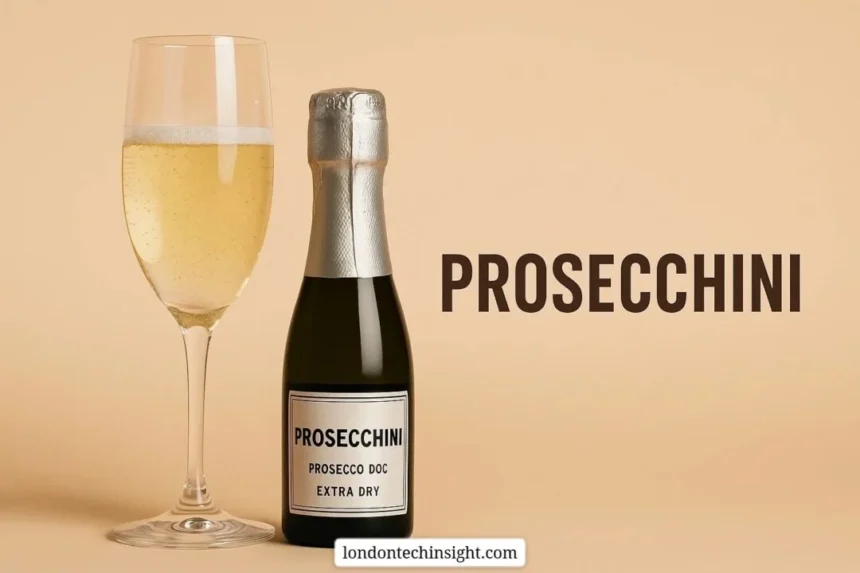
To understand what makes Prosecchini unique, one must first look at the terminology. Linguistically, the suffix “-ini” in Italian denotes something smaller, dearer, or more intimate. Therefore, Prosecchini refers to the smaller, individual-sized servings of Prosecco—typically 200ml bottles—or a specific, lighter style of the wine characterized by an exceptionally fine perlage (the trail of bubbles) and a delicate flavor profile.
The Practicality of the Mini-Bottle
The primary appeal of Prosecchini lies in its “single-serve” philosophy. In an era where freshness is paramount, the standard 750ml bottle can sometimes present a challenge for solo drinkers or small pairs. Once a cork is popped, the clock begins to tick on the wine’s effervescence. Prosecchini solves this dilemma by:
-
Preserving Carbonation: Every glass is guaranteed to be at peak fizz.
-
Encouraging Moderation: It provides a controlled portion for those mindful of consumption.
-
Eliminating Waste: No more pouring “flat” wine down the drain the morning after a celebration.
The Geographical Heritage of Prosecchini
The soul of every Prosecchini is deeply rooted in the soil of Northern Italy. Specifically, this wine is born in the Prosecco DOC (Denominazione di Origine Controllata) and the prestigious DOCG regions of Conegliano Valdobbiadene. These areas, characterized by steep limestone hills and a temperate climate, provide the perfect cradle for the Glera grape.
The Glera Grape: The Backbone of the Blend
By law, Prosecchini must be composed of at least 85% Glera grapes. This variety is prized for its high yields and its ability to produce aromatic, light-bodied wines. When you sip a well-made Prosecchini, you are tasting the heritage of a grape that has been cultivated in the Veneto region for centuries. The flavor profile typically includes:
-
Green Apple: A crisp, tart foundation.
-
Honeydew Melon: Adding a subtle, juicy sweetness.
-
White Peach: Providing a soft, floral aroma.
-
Honeysuckle: A delicate floral note that lingers on the nose.
The Technical Mastery Behind Prosecchini Production
The reason Prosecchini maintains its signature youthful energy is due to the specific way it is fermented. Unlike Champagne, which undergoes a long, yeast-heavy secondary fermentation in the bottle (the Méthode Champenoise), Prosecchini utilizes a more modern approach.
The Charmat-Martinotti Process
This method involves conducting the secondary fermentation in large, pressurized stainless steel tanks. This process is crucial for Prosecchini for several reasons:
-
Purity of Fruit: Because the wine spends less time in contact with yeast lees, the natural fruit flavors of the Glera grape remain front and center.
-
Consistency: The large tanks allow for a more uniform temperature and pressure, ensuring every small bottle of Prosecchini tastes identical to the last.
-
Affordability: This method is more efficient than bottle-fermentation, allowing producers to offer high-quality sparkling wine at a price point that makes daily celebration possible.
Navigating the Levels of Sweetness in Prosecchini
One of the most common points of confusion for consumers is the sweetness scale. When selecting your Prosecchini, it is vital to read the label carefully, as the terms can be counter-intuitive.
| Label Term | Sweetness Level | Best Paired With |
| Brut | Very Dry (0-12g/l sugar) | Seafood, salty appetizers |
| Extra Dry | Off-Dry (12-17g/l sugar) | Charcuterie, spicy foods |
| Dry | Noticeably Sweet (17-32g/l sugar) | Pastries, fruit tarts |
The “Extra Dry” style is actually the most traditional for Prosecchini, offering a perfect balance between acidity and a hint of residual sugar that enhances the fruitiness of the wine.
The Culinary Versatility of Prosecchini
While many view sparkling wine as a pre-dinner ritual, Prosecchini is a remarkably flexible companion for a wide range of global cuisines. Its high acidity acts as a “palate cleanser,” cutting through fats and balancing spice.
The Aperitivo Hour
In Italy, Prosecchini is the king of the Aperitivo. It is traditionally served with “Cicchetti”—small snacks similar to tapas. Think of green olives, salted almonds, or small crustini topped with creamed cod (Baccalà Mantecato).
Global Pairings
-
Asian Cuisine: The slight sweetness in an “Extra Dry” Prosecchini beautifully offsets the heat in Thai green curries or Szechuan dishes.
-
Fried Foods: Whether it’s classic fish and chips or Japanese tempura, the bubbles in Prosecchini scrub the palate clean of oil, making every bite feel fresh.
-
Brunch Classics: From Eggs Benedict to smoked salmon bagels, the wine’s brightness complements the richness of hollandaise and the saltiness of cured fish.
Prosecchini in Mixology: The Art of the Spritz
The global explosion of the Spritz culture has been a major driver for the popularity of Prosecchini. Its light profile makes it an ideal canvas for bitters and syrups.
The Venetian Spritz
A true Venetian Spritz requires three ingredients: Prosecchini, a bitter liqueur (like Aperol or Select), and a splash of soda water. The key is the “3-2-1” ratio, which ensures the wine remains the star of the show.
Innovative Twists
Modern bartenders are using Prosecchini to reinvent classics. The “Negroni Sbagliato” (the “Mistaken Negroni”) replaces gin with Prosecchini, resulting in a lower-alcohol, highly effervescent drink that is perfect for long afternoons.
Best Practices for Storing and Serving Prosecchini
To ensure your Prosecchini delivers the maximum sensory experience, follow these professional service guidelines:
Temperature is King
Always serve Prosecchini chilled to between 6°C and 8°C (43°F – 46°F). If it is too warm, the wine will foam aggressively and lose its aroma. If it is too cold, the flavors will be muted.
The Glassware Debate
While the narrow flute is iconic, many sommeliers now prefer a “tulip” glass. The wider bowl allows the Prosecchini to breathe, while the tapered top captures the delicate floral scents, directing them toward the nose.
Storage
Keep your bottles in a cool, dark place. Unlike red wines, Prosecchini is meant to be consumed fresh. Most bottles should be enjoyed within 12 to 18 months of their release to ensure the fruit notes haven’t faded.
Sustainability and the Future of Prosecchini
As we look toward the future, the producers of Prosecchini are increasingly focused on environmental stewardship. The Prosecco region has seen a surge in organic and biodynamic certifications.
The Rise of Rosé
A recent and exciting development is the official recognition of Prosecco DOC Rosé. By adding a small percentage of Pinot Nero (Pinot Noir) to the Glera base, producers are creating a pink version of Prosecchini that offers additional notes of wild strawberry and raspberry.
Conclusion
In summary, Prosecchini represents the perfect intersection of tradition and modernity. It honors the centuries-old viticultural practices of Northern Italy while adapting to the fast-paced, quality-conscious lifestyle of today’s consumer. Whether it’s the convenience of a mini-bottle, the elegance of a well-crafted cocktail, or the simple joy of a crisp glass of Brut, Prosecchini provides a spark of celebration for any occasion. It is a testament to the fact that great wine doesn’t always need a grand ceremony; sometimes, the best bubbles are the ones shared during a quiet sunset or a casual brunch with friends.
Frequently Asked Questions (FAQs)
1. Is Prosecchini a specific brand of wine?
No, Prosecchini is a term used generally to describe small-format bottles or a lighter, more approachable style of Prosecco wine produced in the designated regions of Italy.
2. Can I use Prosecchini for a toast at a wedding?
Absolutely. In fact, mini bottles of Prosecchini are becoming a major trend for wedding toasts because they allow guests to have their own individual bottle, which is both stylish and hygienic.
3. What is the alcohol content of a typical Prosecchini?
Most Prosecchini wines have an alcohol by volume (ABV) of approximately 11%, making them lighter than many still white wines or Champagne.
4. How can I tell if a Prosecchini is high quality?
Look for the “DOC” or “DOCG” seal on the neck of the bottle. This indicates that the wine has been produced according to strict Italian government regulations regarding geography and quality.
5. Does Prosecchini contain a lot of sugar?
It varies by style. A “Brut” Prosecchini is quite dry with very little sugar, while a “Dry” version will have a noticeable sweetness. Check the label to find the style that suits your preference.