

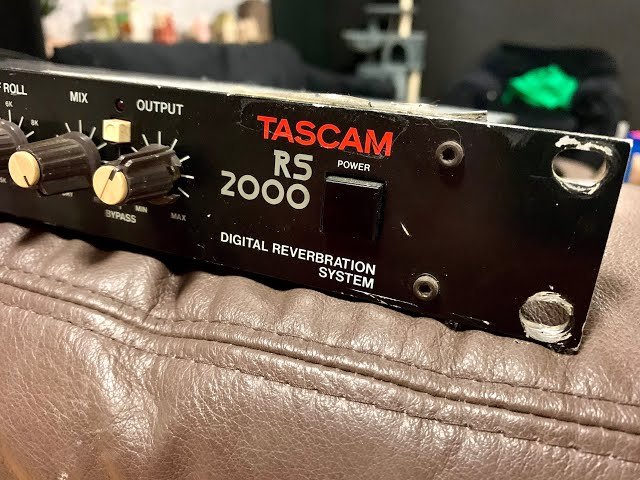
The Tascam Stack 2000 is more than just a vintage piece of audio equipment — it’s a testament to enduring analog engineering. Decades after its debut, this modular mixer continues to capture the attention of audiophiles, music producers, and recording engineers who value warm sound, intuitive workflow, and adaptability. In an era dominated by digital mixers and software interfaces, the Tascam Stack 2000 has quietly kept its place in studios, homes, and creative workspaces around the world.
- What Is the Tascam Stack 2000?
- Key Features That Make Tascam Stack 2000 Exceptional
- 1. Modular Construction for Workflow Flexibility
- 2. Analog Warmth and Sound Character
- 3. Reliable Build Quality
- 4. Clear and Intuitive Control Layouts
- Why the Tascam Stack 2000 Still Matters in 2025
- Practical Tips for Using Tascam Stack 2000
- Tip 1: Pair With Quality Preamps
- Tip 2: Clean and Maintain Regularly
- Tip 3: Patch Smart with Modern Interfaces
- Tip 4: Use External Effects for Depth
- Common Use Cases for Tascam Stack 2000
- Pros and Cons of Using Tascam Stack 2000
- Buying Guide: What to Look for in a Tascam Stack 2000
- Conclusion: The Enduring Value of the Tascam Stack 2000
- FAQs About Tascam Stack 2000
- 1. Is the Tascam Stack 2000 still useful for modern music production?
- 2. Does the Tascam Stack 2000 work with digital audio workstations (DAWs)?
- 3. What kind of sound character does the Tascam Stack 2000 provide?
- 4. Are replacement parts available?
- 5. Do I need technical knowledge to use the Tascam Stack 2000?
What Is the Tascam Stack 2000?
The Tascam Stack 2000 refers to a family of analog audio mixing components designed to be stacked together, offering flexible editing and routing options. Unlike fixed console mixers, Stack 2000 allows users to customize the number and type of modules. Every piece slots into a larger frame — think of it as building blocks for audio shaping. This modularity was ahead of its time when introduced and still delivers creative workflow freedom today.
Key Features That Make Tascam Stack 2000 Exceptional
1. Modular Construction for Workflow Flexibility
One of the biggest strengths of the Tascam Stack 2000 is its modular design. Each module (like preamps, EQs, channel strips, and output sections) can be added or removed to meet specific needs. This lets users tailor their setup, whether for:
-
Simple voice recording
-
Full band multitrack sessions
-
Mixing and routing with external effects
No preset layout means every Stack 2000 system looks and feels different — built around the creator, not a manufacturer’s one‑size‑fits‑all design.
2. Analog Warmth and Sound Character
In today’s age of digital plugins and DAWs, the Tascam Stack 2000 brings back the charm of analog signal paths. Its circuitry imparts a natural warmth that many engineers describe as “musical” — especially noticeable in vocals and acoustic instruments. This sonic character is not easily replicated by software alone.
3. Reliable Build Quality
Though vintage, the Tascam Stack 2000 was built tough. Its metal chassis and thoughtful engineering have allowed many units to last for decades. This durability appeals to professionals who want dependable gear that can be moved between studios without fear of failure.
4. Clear and Intuitive Control Layouts
Each module within the Tascam Stack 2000 series has clearly labeled controls and straightforward signal flow — making it easy to adjust EQ, gain, and routing in real time. For beginners, this reduces technical intimidation; for experts, it speeds up workflow.
Why the Tascam Stack 2000 Still Matters in 2025
Analog Meets Modern Creativity
While modern mixers and digital audio workstations (DAWs) offer advanced automation, presets, and visual interfaces, many producers still choose the Tascam Stack 2000 for its hands‑on feel. There’s a tactile satisfaction in turning a knob or routing a channel manually that software interfaces cannot fully replace.
This analog presence can be especially valuable for:
-
Hybrid recording setups
-
Live tracking sessions
-
Retro music production styles
-
Sound design experimentation
Studio Integration Today
A common misconception is that vintage gear is outdated — but many studios integrate the Tascam Stack 2000 into modern signal chains using audio interfaces and patch bays. For example:
-
Input into Stack 2000 preamps →
-
Analog EQ shaping →
-
Output to DAW via audio interface
This combination gives users the best of both worlds: analog richness and digital convenience.
Practical Tips for Using Tascam Stack 2000
Tip 1: Pair With Quality Preamps
Using high‑quality microphones with the Stack 2000’s input section can reveal its true sonic potential. Ribbon and condenser mics benefit especially from the unit’s warm analog gain structure.
Tip 2: Clean and Maintain Regularly
Vintage gear can develop noise or oxidation over time. Regular contact cleaning of knobs and switches helps preserve clarity and reliability.
Tip 3: Patch Smart with Modern Interfaces
Invest in patch bays or inserts so you can route audio between the Stack 2000 and your audio interface without constantly plugging and unplugging cables. This reduces wear and tear on connectors.
Tip 4: Use External Effects for Depth
While the Stack 2000 doesn’t have built‑in digital reverbs or spatial effects, pairing it with outboard gear like compressors, delays, and reverbs can enhance depth and dimension. This hybrid approach creates a unique sonic flavor.
Common Use Cases for Tascam Stack 2000
Home Studios
For independent creators, the Tascam Stack 2000 offers hands‑on control over sound shaping that many beginners find inspiring. Its tactile interface encourages experimentation.
Professional Recording Studios
Some full‑service studios keep Stack 2000 units alongside high‑end digital consoles. Engineers use them for:
-
Vocal preamp coloration
-
Drum room processing
-
Custom signal routing
Live Recording Sessions
Small live sessions benefit from the Stack 2000’s quick access knobs and real‑time adjustments — especially when working without separate digital consoles.
Pros and Cons of Using Tascam Stack 2000
Pros
-
Distinct analog sound quality
-
Modular and customizable
-
Durable vintage build
-
Engaging physical controls
-
Seamless integration with modern setups
Cons
-
No onboard digital features
-
Requires external audio interface for DAW recording
-
Takes practice to master signal routing
-
Limited availability of specific modules
Buying Guide: What to Look for in a Tascam Stack 2000
If you’re considering purchasing a Tascam Stack 2000, especially second‑hand, pay attention to:
-
Physical Condition: Inspect for rust, worn knobs, or loose connections
-
Functionality: Test every channel for noise or intermittent signal
-
Module Compatibility: Confirm modules are designed to work together
-
Seller Reputation: Buy from established sellers with return protection
Conclusion: The Enduring Value of the Tascam Stack 2000
In a world where digital production often overshadows analog tools, the Tascam Stack 2000 stands out as a reminder that music creation isn’t just about features — it’s about feel and character. With its modular flexibility, analog richness, and timeless engineering, this classic mixer remains relevant even in 2025. Whether you’re a professional engineer, a home studio enthusiast, or a creative looking for inspiration, the Tascam Stack 2000 offers a unique audio experience that bridges past and present.
FAQs About Tascam Stack 2000
1. Is the Tascam Stack 2000 still useful for modern music production?
Absolutely. Many producers integrate it with digital systems to blend analog warmth with modern editing tools.
2. Does the Tascam Stack 2000 work with digital audio workstations (DAWs)?
Yes — by routing audio through an audio interface, you can record and process Stack 2000 sources in any DAW.
3. What kind of sound character does the Tascam Stack 2000 provide?
It’s known for warm, rich analog tones with smooth EQ curves and musical gain staging.
4. Are replacement parts available?
While some original parts can be rare, many vintage gear techs and third‑party suppliers offer compatible replacements.
5. Do I need technical knowledge to use the Tascam Stack 2000?
Basic understanding of analog signal flow helps, but many users find the intuitive layout easy to learn through hands‑on use.